The Benefits of Fast Easy and Convenient At-Home Blood Draws

Blood tests are a vital part of monitoring health, diagnosing conditions, and managing treatments. Yet, many people avoid or delay these tests because of the hassle involved—traveling to clinics, waiting in lines, and dealing with uncomfortable environments. At-home blood draws offer a solution that is fast, easy, and convenient, changing how people access essential health services.

How At-Home Blood Draws Work
At-home blood draws typically involve a trained phlebotomist visiting your home or using a self-collection kit. The professional collects the sample quickly and safely, or you follow simple instructions to collect your own blood sample. The sample is then sent to a lab for analysis, and results are delivered electronically or by mail.
This process eliminates the need to travel to a clinic or hospital, saving time and reducing stress. It also allows for flexible scheduling, so you can choose a time that fits your routine.
Advantages of At-Home Blood Draws
Saves Time and Effort
Traditional blood draws require appointments, travel, and waiting. At-home services remove these barriers. You avoid traffic, parking, and crowded waiting rooms. The entire process can take as little as 15 minutes, including the visit and sample collection.
Comfort and Privacy
Many people feel anxious about blood draws in clinical settings. At home, you can relax in a familiar environment. This comfort can reduce stress and make the experience less intimidating, especially for children or those with needle anxiety.
Convenience for Busy Lifestyles
People with demanding schedules often postpone health checks. At-home blood draws fit easily into busy days. Whether you work from home, care for family members, or have mobility challenges, this service adapts to your needs.
Reduces Exposure to Illness
Visiting medical facilities can expose you to infections, especially during flu seasons or pandemics. At-home blood draws minimize contact with others, lowering the risk of catching or spreading illnesses.
Supports Ongoing Health Monitoring
For chronic conditions like diabetes or heart disease, regular blood tests are crucial. At-home draws make it easier to maintain consistent monitoring without disrupting daily life. This can lead to better health outcomes through timely adjustments in treatment.
Practical Examples of At-Home Blood Draw Use
Busy professionals who cannot take time off work benefit from flexible scheduling.
Parents can have their children’s blood drawn without the stress of clinic visits.
Elderly individuals or those with limited mobility avoid difficult travel.
People managing chronic illnesses maintain regular testing without frequent clinic trips.
Anyone concerned about exposure during health crises can safely get tested.
What to Expect During an At-Home Blood Draw
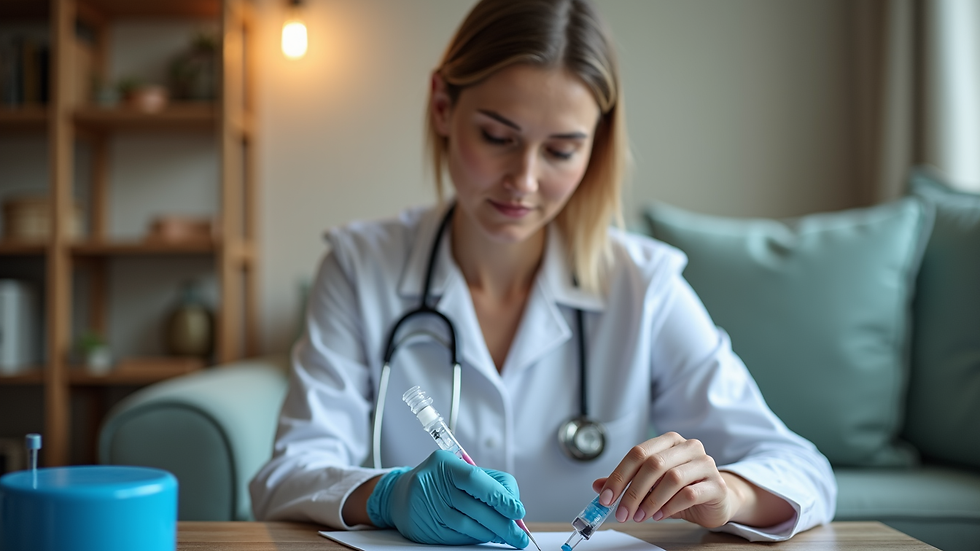
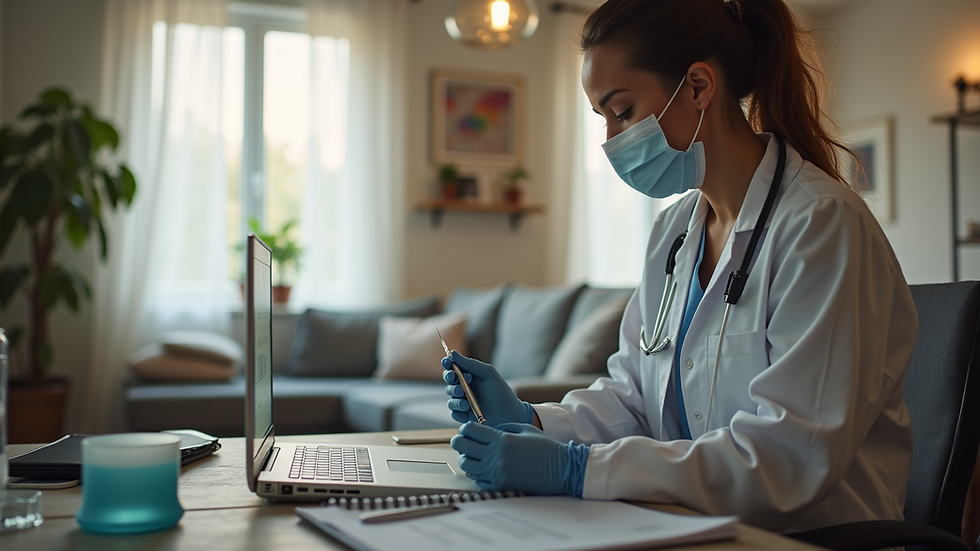
A professional will arrive with all necessary equipment, wear protective gear, and follow strict hygiene protocols. The blood draw is quick, usually from a vein in the arm, and causes minimal discomfort. After collection, the sample is sealed and sent to a certified laboratory.
If using a self-collection kit, instructions are clear and easy to follow. Kits often include lancets for finger pricks, collection tubes, and prepaid shipping materials.
Choosing the Right At-Home Blood Draw Service
When selecting a service, consider:
Certification and training of phlebotomists
Turnaround time for test results
Range of tests offered
Privacy and data security measures
Customer reviews and support availability
Many services provide online portals for easy appointment booking and result access.
Final Thoughts on At-Home Blood Draws
Fast, easy, and convenient at-home blood draws remove many obstacles to regular health testing. They save time, reduce stress, and provide privacy, making blood tests accessible to more people. Whether managing a health condition or simply staying proactive, at-home blood draws offer a practical way to keep track of your health.

Comments